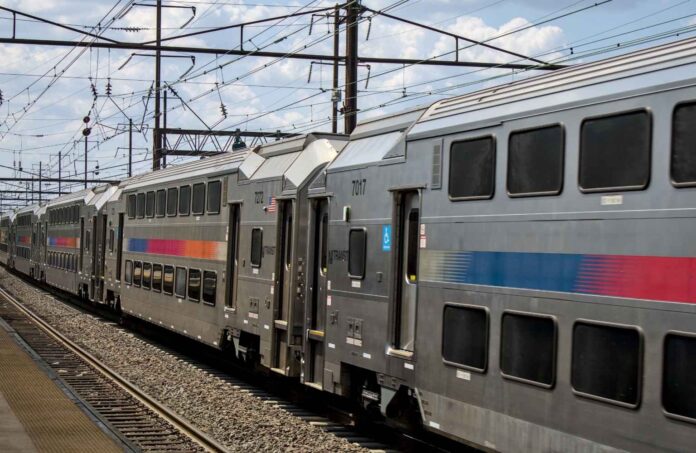
NJ Transit will boost ticket prices by 3 percent beginning on July 1, the first of indefinite annual fare increases every July 1, after the transportation agency increased ticket fares 15 percent in 2024, which was the first hike in 10 years.
The fare increases followed a decision reached by the NJ Transit board in April 2024 to boost ticket prices annually to address some of the agency’s ongoing funding shortfalls. The fare hikes are to close a $106 million budget gap that had been predicted for the fiscal year that started July 1, 2024.
NJ Transit said in April 2024 that since the onset of the COVID-19 pandemic, ridership on the nation’s second-largest public transportation system was entering the fifth consecutive year of being below pre-COVID levels, which has resulted in a reduction of nearly $2 billion in farebox revenue for the agency.
NJ Transit said federal COVID relief funding used over a multi-year period to maintain full service levels would be exhausted in fiscal year 2025, which runs from July 1, 2024, through June 30, 2025.
“The COVID pandemic exacerbated the agency’s structural funding deficit that has existed since NJ Transit was created more than 40 years ago,” said the agency, which blamed inflation, rising health care costs, and contractual wage increases related to labor collective bargaining agreements among other factors behind the deficit.
NJ Transit’s initial budget deficit projection of $119 million was reduced to $106.6 million via cost cuts and revenue enhancements. The agency said the fare hikes along with its “internal efficiencies, savings and revenue enhancements would allow for a fully funded fiscal year 2025 operating budget that avoids reducing service levels.”
Agency officials have said that riders would prefer predictable increases over the sporadic large hikes every number of years.
NJ Transit and commuters were shaken on May 16 when The Brotherhood of Locomotive Engineers and Trainmen walked off the job after negotiations with the agency over wages had reached an impasse. The strike was the first by the engineers in 42 years and lasted for three days.
After an agreement was reached, NJ Transit President and CEO Kris Kolluri said the agency and union had “reached a mutually acceptable agreement that is both fair for our locomotive engineers and affordable for our riders and New Jersey taxpayers… It was important to me to reach a deal that didn’t require a significant fare increase.”