
New Jersey patients and their families continue struggling to afford their prescriptions. About 3 in 5 New Jersey adults reported experiencing at least one health care affordability burden in 2022. The implications of these affordability challenges are dire for patients and real for the health system and businesses.
Deceptive health care industry middlemen, known as pharmacy benefit managers, or PBMs, play a significant role in dictating which medicines patients can access and when. PBMs negotiate discounts with drug manufacturers and have significant decision-making power over which drugs are included on a formulary — the list of medications covered by a health plan. While PBMs are able to profit off of negotiated discounts, they rarely share the savings with patients, driving up health care costs and forcing patients to pay a higher price for treatment (or walk away without their medicine). Further, PBMs frequently prioritize more expensive drugs on their formularies, subjecting patients to even higher costs when cheaper, equally effective drugs are available.
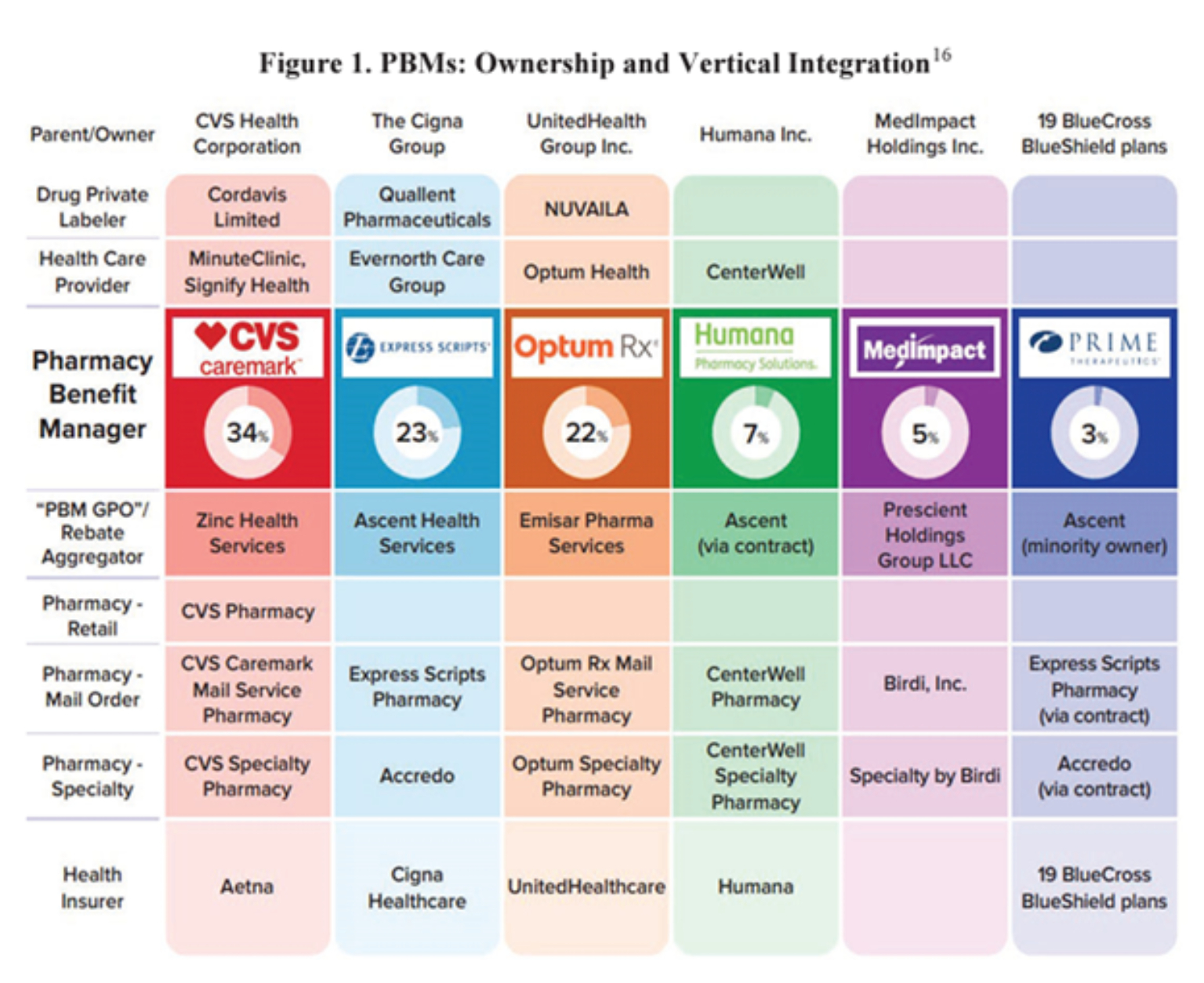
PBM practices negatively impact patient health outcomes and the ability of local, independent pharmacies to serve as valuable health care resources for their communities. While PBMs were intended to act as intermediaries between insurers, pharmacies and consumers, in recent years, they have prioritized vertical integration with several other health care industry entities in order to maximize their own profits. This consolidation is detrimental for both independent New Jersey pharmacies and the patients they serve.
PBMs utilize spread pricing, a practice in which they overcharge payers and underpay pharmacies, while simultaneously pushing patients away from local pharmacies toward pharmacies the PBMs own. This has a real impact on the health care ecosystem, as nearly one-third of community pharmacy owners may be forced to close their doors this year, hurting the Garden State’s economy, the workers who support it and the patients they serve. The six largest PBMs control almost 95% of all prescriptions filled in the U.S. through integrations with insurers, suppliers and chain pharmacies. Here in New Jersey, just one PBM controls more than one-third of the market.
Anticompetitive PBM practices can be particularly detrimental for patients living with chronic conditions, who typically require long-term treatment to slow or prevent the progression of their disease and manage their symptoms. Medications that treat these conditions, such as diabetes, cardiovascular disease, cancers and mental health conditions, are frequently excluded from PBM formularies. In 2023, the three largest PBMs each excluded roughly 600 medications from their formularies. PBMs instead include higher-priced brand medications on formularies over generics or biosimilars, which typically have lower list prices, forcing patients to manage higher copay costs and limiting their access to additional treatment options.
A 2022 survey revealed that 85% of New Jerseyans are concerned about their ability to afford health care in the future. Without proper oversight, PBMs will continue to increase health care costs and prioritize their bottom line over patients’ well-being. Patients are oftentimes forced to skip or abandon medications due to high out-of-pocket costs, with more than 25% of patients abandoning their treatment at the pharmacy counter when faced with out-of-pocket costs over $75. Treatment nonadherence can lead to a host of higher medical costs down the road for patients and New Jersey’s health care system. Patients are also likely to miss work and experience lower productivity, decreased quality of life, short-term side effects and complications and negative long-term health impacts.

In the absence of policy action, PBM practices will continue to harm New Jersey families. In the Garden State, legislators have the opportunity this session to build on Gov. Phil Murphy’s 2023 success in expanding oversight of these predatory middlemen by pushing for more transparency into PBM pricing methods. Federal lawmakers can also work to reform PBMs’ anticompetitive practices, helping patients nationwide access the medications they need.
To stand up for patients and independent pharmacies in our communities, we encourage you to explore BioNJ resources.
“Because Patients Can’t Wait.”