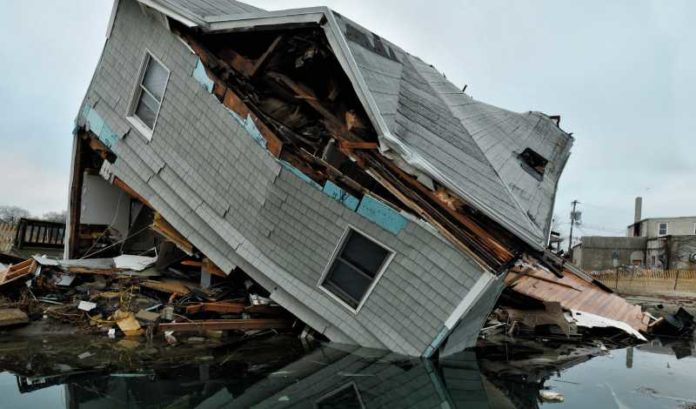
Superstorm Sandy was a life-altering event for so many in New Jersey. It changed how we view our approach to handling 100-year storms and exposed the numerous vulnerabilities to flooding across our state. Post-Sandy, there were lessons to be learned about the need to expand investment in infrastructure. New Jersey’s investor-owned utilities heeded those lessons and proactively moved to make our state safer. Their actions can serve as an example to others of how preventative measures save time, money and major disruptions.

The aftermath of any major storm or weather-related event can create concerns about utility support for customers and communities. No amount of preventive measures will ever guarantee that the power does not go out or that flooding does not occur. The state’s utilities, however, have taken countless steps to help ensure that, when Mother Nature lashes out, the impact to New Jerseyans is as minimal as possible.
Those steps taken have been widespread. All gas utilities in the state are making significant investment to improve reliability and resiliency through metering & regulating, pipe, excess flow valve and regulator protection investments; replacing infrastructure to improve their emissions profiles; and make New Jersey a leader in decarbonization.
Electric utilities, which often face the most challenging issues when natural disasters strike, moved to create better, faster communications with local officials and the constituents they represent. They led the way in creating municipal portals to provide outage information, details on infrastructure located in areas where outages occur and event-specific information such as global and individual estimated times of restoration, the crews on site and the repairs being completed.
Utilities have streamlined and enhanced their response to managing road openings and critical facilities when disasters occur. Websites have been enhanced and mobile apps have been created to provide greater information on outages along with a more user-friendly setup to make this information easier to find. Protocols are in place to make sure local elected officials and local Offices of Emergency Management are kept informed of the latest issues and developments. Moreover, customer call center standards have been upgraded and additional methods for customers to report and check the status of outages have been developed.
In the decade since Superstorm Sandy made landfall, the utilities have invested billions of dollars in strengthening their systems. One of our member utilities invested nearly $5 billion to raise, rebuild, eliminate and upgrade equipment in 36 substations, many of which were damaged by flooding during Sandy. They also replaced nearly 2,000 miles of aging gas lines and plan to invest $16 billion more over the next five years to modernize and strengthen their infrastructure. As we know, Superstorm Sandy was a major flooding event, and investing capital in improving protections at substations, and the completion of flood mitigation projects initiated after Superstorm Sandy at 69 substations, prevented flood-related power outages and damage during Hurricane Ida at these same substations.
Are these proactive measures paying off? Yes, they are. After Sandy, one of our water utility members moved to increase the height of resistance at a key water treatment plant. The plant handles nearly 150 million gallons of water a day, is its largest water production facility and a regional source of potable water supply for approximately 1 million people in parts of seven counties in central New Jersey. Investing $37 million in the project, the utility raised the height of the facility’s flood wall by 4 feet.
Last year, when Tropical Storm Ida hit our state, the heightened flood wall prevented flood water from cascading into the facility and disrupting operations. Had these improvements not been made post-Sandy, the facility would almost certainly have sustained major damage and service would have been interrupted for hundreds of thousands of customers. Similarly, post-Sandy investments in additional backup power generation have helped keep treatment plants and pumps operating during storms, limiting potential service interruptions.
We have also seen firsthand the benefits of investing in and deploying Advanced Meeting Infrastructure. When a storm hit on Christmas Eve in 2020, a utility utilizing AMI was able to accelerate its restoration efforts, which directly benefited its customers. Moreover, one utility saw a nearly 90% decrease in the number of customers who lost power during Ida versus Sandy.
Across New Jersey’s barrier islands, new substations are built higher than the 100-year flood stage and have remote operating capabilities. Steel poles are being installed that can withstand hurricane force winds. These efforts are making the grid smarter and stronger.
These examples are meant not as a victory lap, but, rather, to show that New Jersey’s utility companies can create and sustain resiliency during increasingly significant severe weather. Municipalities throughout New Jersey — through no fault of their own — are struggling to keep up with changing resiliency requirements and climate change. They need help.
That is where New Jersey’s utility companies can come in. They have learned from lessons of the past and taken direct action to help protect their customers and enable recovery from severe weather impacts better, stronger and faster than ever before. Better access to information. Stronger communications. Enhancing flood protections. These are just some of the measures they have taken.
The continuing impacts of climate change almost certainly mean that our state will experience another hurricane in the future. As we reflect on the aftermath of Sandy 10 years later, let’s continue to move forward to ensure that the extreme damage and prolonged recovery from such devastation does not unnecessarily happen again. New Jersey’s investor-owned utility companies have shown us a way there.
Mark Kahrer is chairman of the New Jersey Utilities Association.