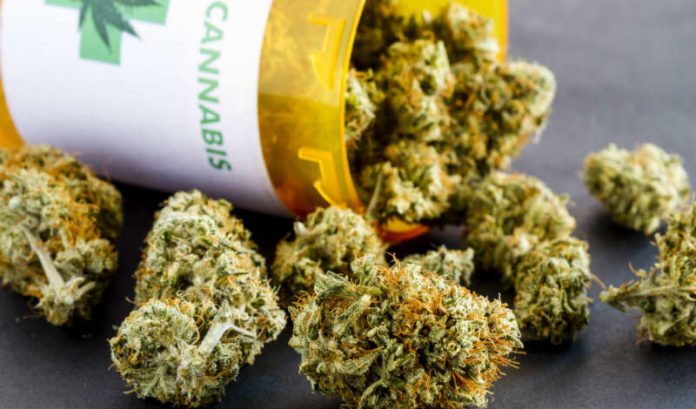
We are experiencing a tremendous acceleration in the acceptance and normalization of the medical use of cannabis, perhaps too fast for us to fully consider the ramifications. We have transitioned from allowing limited use of cannabis products to provide pain relief for people with severe and terminal illnesses to viewing cannabis as a new, unproven tax windfall for states that, like New Jersey, have legalized recreational use. Now, as New Jersey is witnessing a push to provide insurance reimbursement for medicinal cannabis, it is important that we pause to fully understand the possible effects of such a move.
The New Jersey Assembly is currently considering several pieces of legislation that would require certain health benefit programs (Medicaid, Senior Pharmacy Assistance Programs, workers’ compensation plans and private personal automobile insurers, for example) to provide coverage of medicinal cannabis. If these bills become law, New Jersey enters uncharted territory. Today, third-party payers such as insurance companies, almost without exception, only cover licensed drugs that have received Food and Drug Administration approval. FDA approval, it should be noted, only occurs when extensive clinical trials have demonstrated that the product’s chemical composition is safe and effective for treatment of a specific disease at specified dosages. The New Jersey Legislature is considering the creation of a major exception to this common practice.
And it’s an exception fraught with many potential problems. Most cannabis products are a significant distance away from reaching the criteria of an FDA-approved medicine. With one exception for a cannabis-derived treatment for certain types of juvenile epilepsy, no clinical trials suitable for FDA approval have been successfully conducted to demonstrate the efficacy of medicinal cannabis as a health care product. Additionally, because of the nature of this product and its supply chain, it is impossible to ensure consistency in the ingredients and to provide certainty as to appropriate and effective dosages.
New Jersey would be asking insurers to direct premium and deductible dollars toward cannabis producers who are, in essence, saying, “Trust us: What could go wrong?”
The answer is, of course, that plenty can go wrong with an untested, uncertified, potentially mislabeled product. Insurers would be placed in the position of providing coverage for a product that can increase health liabilities, whether they are issues with liver function, greater likelihood of heart disease and stroke, or feelings of anxiety. When you consider these potential side effects, combined with very real concerns regarding mislabeling or contamination, there are more risk factors for New Jersey workers and families.
Workers may find themselves consuming covered cannabis that could cost them their jobs. Just because the state has legalized this substance doesn’t mean employers will relax their view of it, and we know that cannabis can be detected months after your last use. In industries where workplace safety concerns demand a zero-tolerance policy, such use may bring about suspensions or dismissal. Considering the mislabeling issues the FDA has found in the cannabis market, such dismissal could come as a shock to any employee consuming a cannabis product that claims it does not contain THC (the psychoactive ingredient) when, in fact, it does.
Instead of rushing to take an unprecedented and ill-conceived action on insurance coverage of medicinal cannabis, New Jersey lawmakers should be insisting that science and regulatory processes precede this kind of legislation. They should be advocating for well-controlled clinical trials of cannabis to generate the kind of data the FDA could review for possible product approvals with information about appropriate dosages and warning about harmful drug interactions. If medicinal cannabis is going to be treated as a medical product, then it should undergo the same testing and safeguards as other prescription medications, and insurers shouldn’t be forced to pay for it until those safeguards are in place.
There is no compelling reason for New Jersey to take this leap into the unknown. Requiring insurance coverage of medicinal cannabis will significantly increases costs for those paying the insurance bills, while increasing risk for workers and their families. Let’s wait for the science to guide proper actions.
Randy DeFrehn is the founder and CEO of DeFrehn and Associates LLC, an employee benefits, government and labor relations consultancy. He is best known for his legislative and policy work with Congress and federal regulatory agencies as the chief spokesperson for the multiemployer community during his tenure as executive director of the National Coordinating Committee for Multiemployer Plans.